
Understanding Game Genres: A Guide for New Players
Introduction to Video Game Genres
Video game genres serve as an essential classification system within the gaming industry, enabling developers and players to categorize and identify games based on distinct gameplay mechanics, thematic elements, and the overall player experience. As the gaming landscape continually evolves, genres provide a framework to navigate the diverse array of available titles. By understanding these categories, players can more effectively discover games that align with their interests and preferences, enhancing their gaming experience.
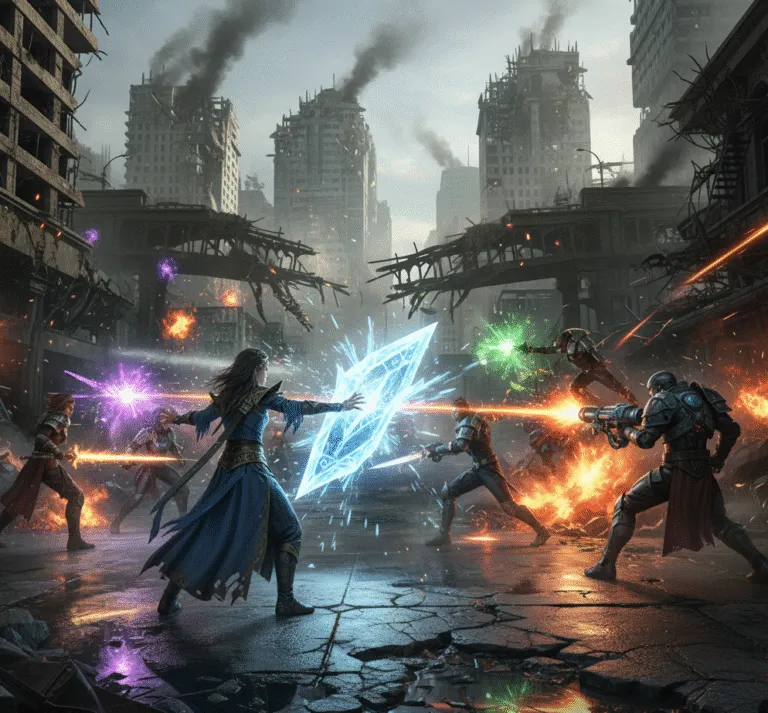
At its core, a video game genre encapsulates a specific style of gameplay that appeals to certain types of players. Common genres include action, adventure, role-playing, simulation, and strategy, among others. Each genre encompasses a unique set of features, challenges, and narratives, catering to different audiences and fostering a broad range of gaming experiences. For instance, action games prioritize fast-paced gameplay and reflexes, while role-playing games often emphasize character development and intricate storytelling.
The importance of genres extends beyond merely organizing games in a catalog. They significantly influence marketing strategies, development processes, and player communities. Understanding the fundamental characteristics of each video game genre allows developers to create targeted content that resonates with their desired audience. Moreover, it helps players engage in discussions, build communities, and share their gaming preferences based on genre similarities.
In essence, video game genres are pivotal to the gaming ecosystem. They simplify the exploration of games, allowing players to gravitate towards those that promise the experiences they seek. Whether one is a novice entering the gaming arena or a seasoned gamer exploring new territories, an awareness of these genres is indispensable for making informed gaming choices.
Role-Playing Games (RPGs)
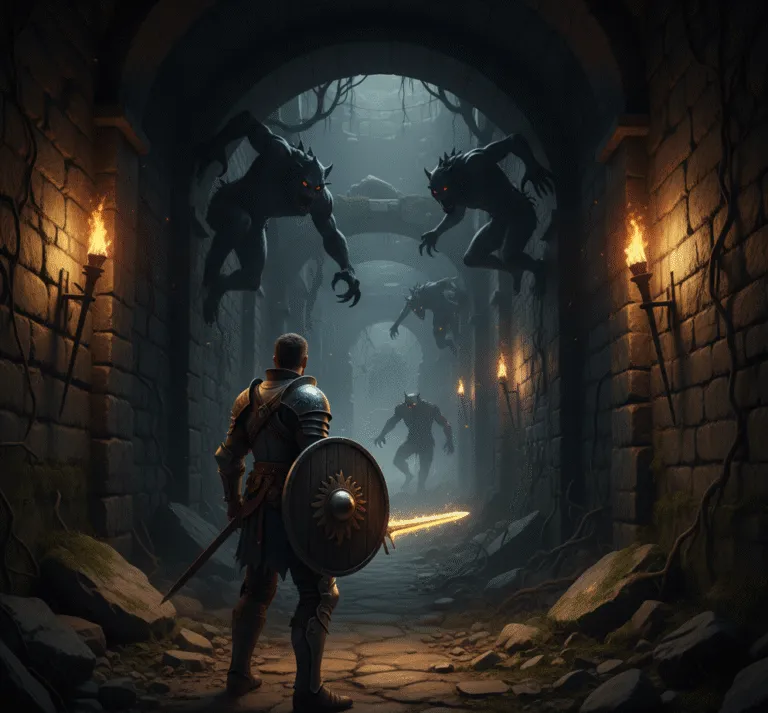
Role-Playing Games (RPGs) are a captivating genre of video games that focus on character development, immersive storytelling, and exploration of vast worlds. Players assume the roles of fictional characters in a well-crafted narrative, guiding their actions and decisions as they progress through the game. One of the core elements of RPGs is the ability to build and customize characters, allowing players to shape their skills, attributes, and appearance. This depth of personalization fosters a sense of ownership and connection to the character, enhancing the overall gaming experience.
The story-driven gameplay is another fundamental aspect of RPGs. These games typically feature intricate plots with rich narratives, often set in fantastical or historical settings. Players engage with non-playable characters (NPCs) who provide quests, lore, and challenges, all of which contribute to the game’s overarching story. The choices made by players often influence the direction of the narrative, leading to multiple possible outcomes and endings, which encourages replayability. Popular RPGs like “The Elder Scrolls V: Skyrim,” “Final Fantasy,” and “The Witcher” series exemplify the genre’s focus on storytelling and character engagement.
New players entering the world of RPGs should be prepared for a significant time investment, as these games often require hours of gameplay to fully explore their narratives and mechanics. To ease into the genre, beginners can start with more accessible titles such as “Undertale” or “Persona 5,” which offer engaging stories without overwhelming complexity. When playing an RPG, it is advisable to take time to read dialogue, make thoughtful choices, and explore the game world thoroughly. This approach not only enhances one’s understanding of the game but also maximizes enjoyment and immersion in the RPG experience.
First-Person Shooters (FPS)
First-Person Shooters, commonly abbreviated as FPS, represent a popular genre of video games that immerse players in action-oriented gameplay from a first-person perspective. Players typically navigate through a three-dimensional environment, aiming and shooting at enemies while experiencing the game world directly through the eyes of the character they control. This perspective enhances realism and engagement, making FPS games particularly appealing to those seeking fast-paced action and tactical play.
FPS games often feature various gameplay mechanics, including weapon selection, character movement, and strategic use of the environment. Players need to hone their aiming skills and reflexes while also being aware of their surroundings to succeed in competitive matches. Maps are typically designed to encourage both close-quarters combat and long-range engagements, thus providing a balanced approach to strategy and skill. Popular titles within this genre, such as “Call of Duty,” “Counter-Strike,” and “Halo,” have demonstrated the immense potential for immersive and competitive experiences.
For those new to FPS games, several essential tips can enhance gameplay and help refine skills. Firstly, familiarizing oneself with the controls is crucial; spending some time in practice mode or tutorials can be beneficial. Secondly, understanding the mechanics of each weapon can significantly affect performance; players should take note of recoil patterns, firing rates, and effective ranges. Additionally, positioning plays a vital role; learning when to engage and when to retreat can often determine match outcomes. Joining a community or engaging in cooperative gameplay with more experienced players can also provide valuable insights and improve one’s gameplay tactics.
Overall, First-Person Shooters offer an exciting blend of action, strategy, and competition, making them a favorite among both casual and serious gamers. With practice and dedication, beginners can quickly adapt to the FPS genre and enjoy the thrill of fast-paced gaming.
Strategy Games
Strategy games encompass a diverse array of sub-genres that challenge players to employ critical thinking and tactical decision-making. Primarily, these games can be classified into two main categories: real-time strategy (RTS) and turn-based strategy (TBS). In RTS games, players must continuously manage resources, units, and combat while often racing against the clock, creating a dynamic environment that requires quick reflexes and strategic foresight. Notable examples of RTS games include the famous “StarCraft” series and “Age of Empires,” both of which demand rapid planning and execution.
On the other hand, TBS games allow players to take their time in making decisions. Each participant plays in turns, permitting a more thoughtful and measured approach to strategy. Gamers can carefully analyze the board and anticipate the moves of their opponents before committing to an action. Renowned TBS games such as “Civilization” and “XCOM” focus on long-term strategies, requiring players to manage resources, develop technologies, or engage in diplomacy in a methodical manner.
To excel in strategy games, players need to develop key strategic thinking skills. This includes understanding the importance of resource management, anticipating opponents’ moves, and maintaining flexibility in strategy. For newcomers, it is advisable to start with user-friendly games that scale in complexity. Observing experienced players and engaging with online communities can also offer valuable insights and tips on mastering game mechanics. Consequently, players can enhance their strategic thinking and enjoy a rewarding gaming experience in the rich world of strategy games.
Simulation Games
Simulation games stand out as a unique genre within the vast landscape of video games, primarily because their main objective is to replicate real-world activities in an engaging and interactive format. These games serve a variety of purposes, from entertainment to education, providing players with environments where they can experiment, learn, and even escape reality.
There are numerous types of simulation games that cater to various interests and preferences. Life simulators, such as “The Sims” series, allow players to create and control characters, managing their day-to-day activities, relationships, and careers. This type of simulation emphasizes the complexities of human interaction and personal growth, enabling players to explore the intricacies of life in a controlled setting. Players often find themselves immersed in intricate storylines that mirror real-life decisions and consequences.
Another popular subset of simulation games includes flight simulators, which offer an exceptionally realistic representation of piloting an aircraft. Games like “Microsoft Flight Simulator” afford players the opportunity to navigate vast, detailed landscapes, experience various weather conditions, and even deal with in-flight emergencies. These simulators prioritize accuracy and realism, often appealing to aviation enthusiasts and aspiring pilots seeking a comprehensive understanding of aerodynamics and aircraft operations.
Simulation games are not exclusively for casual play; they can also serve as training tools in professional fields. For example, various medical and engineering simulation games provide valuable training experiences for students and professionals alike. These games emphasize practical skills and decision-making, allowing players to engage with their chosen disciplines in a risk-free environment.
As gamers explore the world of simulation games, they can anticipate rich, immersive experiences that often challenge their critical thinking and problem-solving abilities. This genre not only entertains but also offers opportunities for growth and learning through realistic scenarios and hands-on engagement with various elements of life and profession.
Adventure Games
Adventure games represent a distinctive genre in the gaming landscape, characterized by a strong emphasis on storytelling and problem-solving. These games often immerse players in richly detailed narratives, requiring them to explore various environments and interact with a range of characters. The storytelling aspect is integral, as it often drives the gameplay forward and engages players with plot twists and emotional stakes. Players typically navigate through a series of challenges, puzzles, and quests that require keen observation and critical thinking skills.
There are various forms of adventure games, ranging from point-and-click titles to interactive fiction and immersive RPGs. Point-and-click adventures, for instance, often necessitate players to solve puzzles by interacting with objects in their environment, highlighting the genre’s focus on exploration and discovery. On the other hand, modern narrative-driven games sometimes introduce RPG elements, allowing players to develop their characters and make choices that affect the game’s progression, further enhancing the immersive experience. The unifying element across these types is the centrality of the narrative, which sets the foundation for the gameplay experience.
For beginners diving into the world of adventure games, it is advisable to look for titles that offer a balanced combination of storytelling and gameplay mechanics. Engaging narratives can often be found in games that feature well-developed characters and intriguing scenarios. Additionally, it’s crucial to consider the complexity of the puzzles—novice players may wish to start with titles that offer more approachable challenges. Tutorials and community forums can be invaluable resources for guidance on strategies and problem-solving approaches. By selecting the right adventure game, players can enjoy an enriching experience that fosters both creativity and critical thinking.
Puzzle Games
Puzzle games represent a distinctive genre within the broader scope of video gaming, prioritizing problem-solving and critical thinking. They often challenge players to manipulate elements or deduce solutions to complex scenarios, usually aiming to complete a given objective. This genre encompasses a wide variety of game types, from traditional jigsaw puzzles and crosswords to more intricate formats like escape room games and logic puzzles. Such diversity ensures that there is something for every type of player, whether they seek a casual pastime or a more intense cognitive workout.
Among the notable sub-genres of puzzle games are match-three games, word games, and physics-based puzzles. Match-three games, exemplified by titles such as “Candy Crush Saga” and “Bejeweled,” involve swapping adjacent elements to form groups of similar items, rewarding players with points and bonuses as they progress. Word games like “Words with Friends” challenge players’ vocabulary and strategizing skills by encouraging them to form words from a given set of letters. Meanwhile, physics-based puzzle games such as “Angry Birds” require players to use logic and an understanding of physical principles to solve scenarios by launching characters or objects with precise trajectories.
For beginners looking to delve into puzzle gaming, there are several strategies to enhance their experience. One effective approach is to start with simpler puzzle formats to build confidence and familiarity with game mechanics. Additionally, taking breaks when feeling stuck can help clear the mind and bring new perspectives to challenging puzzles. Lastly, participating in online forums or communities can provide valuable insights, tips, and tricks from seasoned players. Embracing these strategies will likely lead to improved problem-solving skills and increased enjoyment from puzzle games.
Massively Multiplayer Online Games (MMOs)
Massively Multiplayer Online games, often abbreviated as MMOs, are a distinctive genre in the gaming landscape that emphasizes vast, interconnected player communities within expansive virtual environments. These games allow thousands, and sometimes millions, of players to engage simultaneously, fostering an unparalleled level of social interaction and collaboration. Players can explore rich, dynamic worlds filled with quests, challenges, and the opportunity for adventurous storytelling, creating an immersive experience that is hard to replicate in single-player formats.
One of the hallmarks of MMOs is their expansive worlds. These settings can range from fantastical realms filled with magic and mythical creatures to detailed futuristic landscapes. In these environments, players can undertake various roles, such as warriors, traders, or healers, contributing to a vibrant economy and social structure within the game. Popular titles in this genre, such as “World of Warcraft,” “Final Fantasy XIV,” and “Guild Wars 2,” showcase the diverse gameplay options and highly interactive elements that MMOs provide. Each game features its unique mechanics but shares the fundamental principle of creating a world that thrives on community interaction.
For those new to MMOs, navigating the diverse social interactions can be both exhilarating and daunting. New players are encouraged to join guilds or clans, which are groups of players that often share common interests and objectives. Engaging with fellow players not only enhances the gaming experience but also serves as a support system for learning the game’s intricacies. Additionally, it is crucial to foster positive interactions by communicating respectfully and seeking help when needed. Such practices can lead to a fulfilling and enjoyable experience within the MMO landscape.
Choosing the Right Game Genre for You
When embarking on the journey of video gaming, understanding the variety of genres available can significantly enhance your gaming experience. Each genre offers distinct gameplay mechanics, narratives, and emotional responses that appeal to different preferences. To choose the right game genre, it is vital to evaluate personal interests and play styles. Start by reflecting on what aspects of entertainment you enjoy most; do you prefer competitive challenges, immersive storytelling, or cooperative gameplay? Such reflections can guide you toward a genre that aligns with your gaming taste.
Exploring various genres is another essential step. Many beginner gamers may find themselves gravitating towards popular genres such as action, adventure, role-playing, simulation, or strategy. Trying out diverse games within these categories can help clarify what resonates with you. Free-to-play games and demos can prove invaluable in this stage, as they allow exploration without a financial commitment. By experiencing a range of genres, you can develop a clearer understanding of the styles and mechanics that captivate you.
Understanding the type of experiences each genre offers is critical in making an informed decision. For instance, if you enjoy intricate storylines and character development, role-playing games (RPGs) may appeal to you. Conversely, if you prefer quick, adrenaline-pumping action, first-person shooters or battle royale games might become your go-to choice. Equally, if creative expression interests you, simulation games could provide an engaging platform. By assessing your gaming preferences and experimenting with different genres, you can uncover the types of games that will bring you the most satisfaction. Engaging with gaming communities can also provide insights and recommendations tailored to your interests, fostering a more enriching gaming experience.